RT.com
10 Jun 2026, 07:06 GMT+10
US entry bans, outrageous ticket prices, and organizational problems have overshadowed footballs biggest spectacle
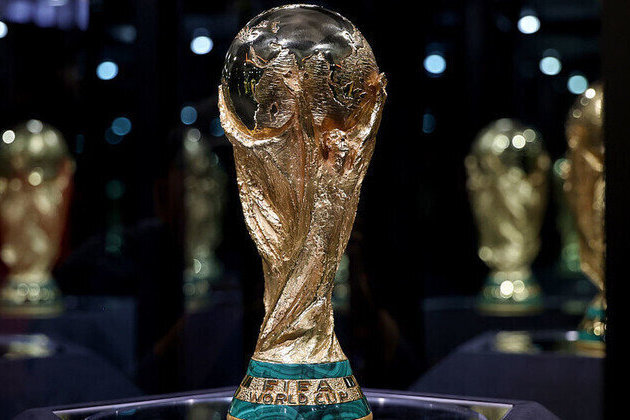
The 2026 FIFA World Cup, set to kick off this week, has already been overshadowed by political disputes and concerns over the tournament's organization. Immigration rows, travel restrictions, and ticketing complaints have emerged as major flashpoints ahead of the opening match. Here is what we know so far.
The 2026 FIFA World Cup begins on June 11 and concludes on July 19. A record 48 teams will take part, with the top two sides from each of the 12 groups and the eight best third-placed teams advancing to the knockout stage.
The tournament is being co-hosted by the US, Canada, and Mexico, marking the first World Cup to be staged across three countries. Matches will be held in 16 cities across North America, with the final set to be played at New York-New Jersey Stadium.
The World Cup is taking place against a backdrop of tighter US immigration controls and travel restrictions that have affected some participants.
Award-winning referee Omar Abdulkadir Artan, the first Somali national selected to officiate at a World Cup, was denied entry to the US despite holding a valid visa. FIFA later confirmed that Artan would not be able to officiate at the tournament. The incident came amid broader restrictions affecting Somali nationals under the Trump administration.
Iraq's national team also encountered entry difficulties. While all players were ultimately admitted, captain Aymen Hussein was reportedly detained and questioned for nearly seven hours after arriving in Chicago. The team's official photographer, Talal Salah, was denied entry.
Footage circulating online shows members of Senegal's squad undergoing extensive security checks upon arrival in the US, including pat-downs and metal detector screening. Senegal is among the countries affected by Washington's latest travel restrictions.
Separate video appeared to show former Italy captain and Ballon d'Or winner Fabio Cannavaro undergoing lengthy security screening after landing in the country.
Iran's World Cup campaign has been complicated by heightened tensions with Washington and the broad US sanctions regime imposed on the country.
Visas for the Iranian squad were reportedly approved only days before the tournament after months of uncertainty, while some members of the delegation are still said to be awaiting travel documents. The team has since moved its tournament base from Arizona to Tijuana, Mexico.
Adding to the controversy, Iran's football federation said this week that its official allocation of World Cup tickets had been revoked just days before the opening match. The federation accused organizers of breaching the principle of equal treatment for participating nations.
FIFA said it remained in contact with the Iranian federation following the team's arrival in Mexico.
Travel difficulties have not been limited to teams and officials. Supporters' groups from several countries have reported problems entering the US, citing visa delays, enhanced screening procedures, and high rejection rates.
Fan organizations across Africa, the Middle East, and Latin America have voiced particular concern. Supporters from Jordan, Morocco, Algeria, Egypt, Ghana, and Tunisia have reported difficulties navigating US entry requirements, while citizens of Iran and Haiti face some of the strictest restrictions. Some Scottish supporters have also reported issues with previously approved travel authorizations.
Human rights groups have also voiced concern over immigration enforcement during the tournament. Amnesty International has called on FIFA to ensure supporters can attend matches without fear of discrimination or arbitrary restrictions. Some Haitian fans have told reporters they are reluctant to travel to the US due to concerns about possible detention or deportation, even as Haiti prepares for its first World Cup appearance since 1974.
FIFA is facing scrutiny from the attorneys general of New York and New Jersey over allegations of "impossibly high" prices, artificial scarcity, and misleading information about ticket availability and seat locations. Its use of demand-based pricing and resale fees has also drawn criticism.
While FIFA has promoted the expanded 48-team tournament as its most accessible World Cup yet, consumer advocates and supporters' groups argue that soaring prices are putting many matches out of reach for ordinary fans.
Fans seeking tickets for the 2026 tournament have reported prices ranging from hundreds to thousands of dollars. Some group-stage tickets have been listed for more than $4,000, while seats for the final have appeared on resale platforms for significantly higher amounts.
By comparison, group-stage tickets at the 2022 World Cup in Qatar generally cost between $70 and $220. At the 2018 tournament in Russia, the cheapest group-stage tickets available to foreign supporters started at around $105.
FIFA has largely distanced itself from disputes over visas and immigration, saying such matters fall under the authority of host-country governments and maintaining that preparations remain on schedule.
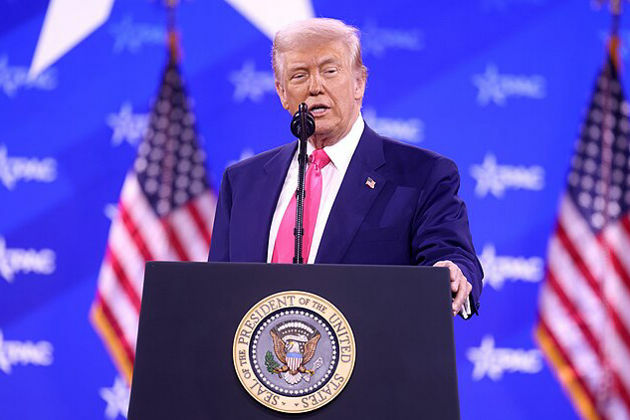
US President Donald Trump has described the event as being on course to become "the most successful World Cup" ever, while the White House World Cup Task Force has pledged to deliver "the largest, safest and most welcoming sporting event in history."
Human rights organizations and supporters' groups, however, have questioned whether those commitments can be met, arguing that travel restrictions, immigration concerns, and ticketing controversies risk undermining the tournament's goal of bringing together football fans from around the world.
(RT.com)
Get a daily dose of Phoenix Herald news through our daily email, its complimentary and keeps you fully up to date with world and business news as well.
Publish news of your business, community or sports group, personnel appointments, major event and more by submitting a news release to Phoenix Herald.
More InformationBOSTON, Massachusetts: A federal judge has invalidated a $100,000 fee imposed by President Donald Trump on new H-1B visas, ruling that...
DUBAI/JERUSALEM: Iran and Israel said on June 8 that they had stopped attacking each other after U.S. President Donald Trump urged...
MUZAFFARABAD, PoJK: Clashes in Pakistan-occupied Jammu and Kashmir ahead of a protest planned for June 9 left 11 people dead and more...
UNITED NATIONS: The U.N.'s food agency says the Iran war is pushing millions more people into serious hunger, as it had warned would...
RIO DE JANEIRO, Brazil: Airline executives from around the world are meeting in Rio de Janeiro this weekend amid growing concerns that...
TAIPEI, Taiwan: Taiwan should use its defense money more wisely and learn from the wars in Ukraine and the Middle East, especially...
NEW YORK, New York - Global stock markets closed with sharp divergences Tuesday, as U.S. indexes delivered a mixed performance while...
RIO DE JANEIRO, Brazil: Rising fuel prices linked to conflict in the Middle East are putting pressure on airlines worldwide, forcing...
CUPERTINO, California: Apple introduced a redesigned version of Siri powered by artificial intelligence, marking its biggest update...
SINGAPORE/LONDON: Indonesian President Prabowo Subianto is losing investors' trust, and his plans to grow the economy are at risk as...
NEW YORK, New York - World stock markets closed on a deeply divided note Monday, with Wall Street's technology sector powering the...
NEW YORK CITY, New York: S&P Dow Jones Indices has decided against changing its rules to allow newly public mega-cap companies to enter...